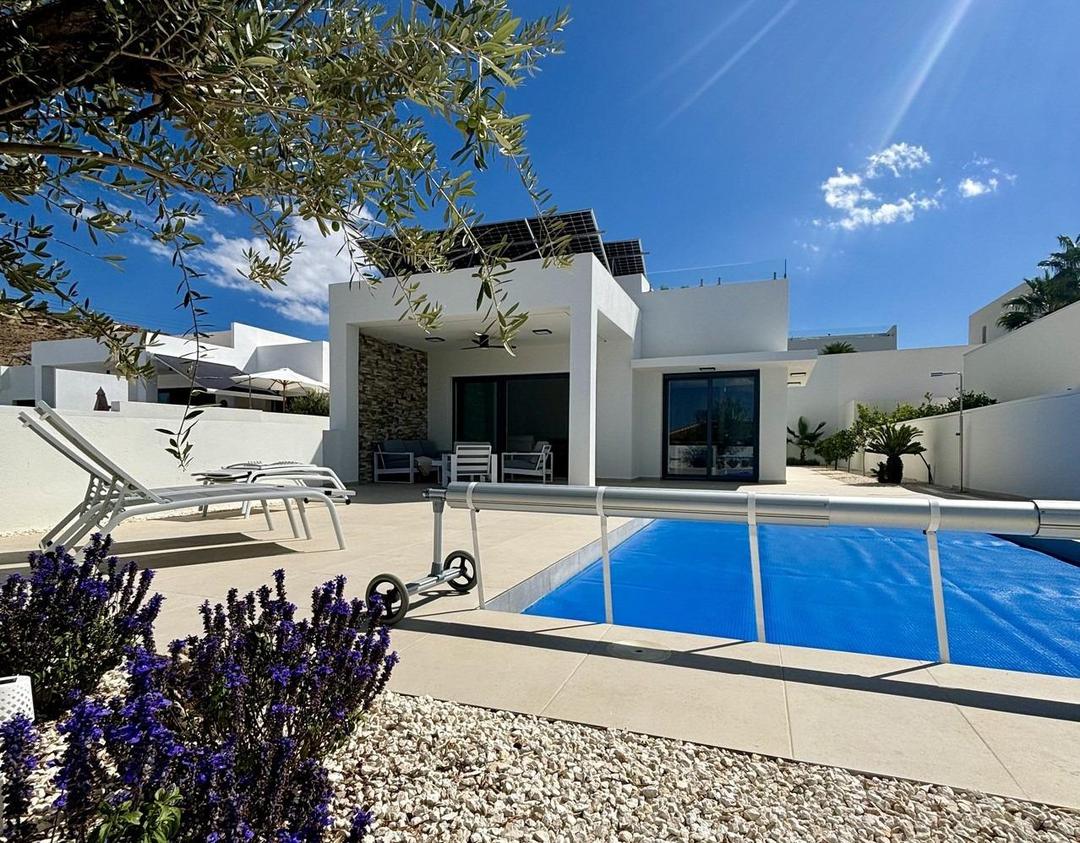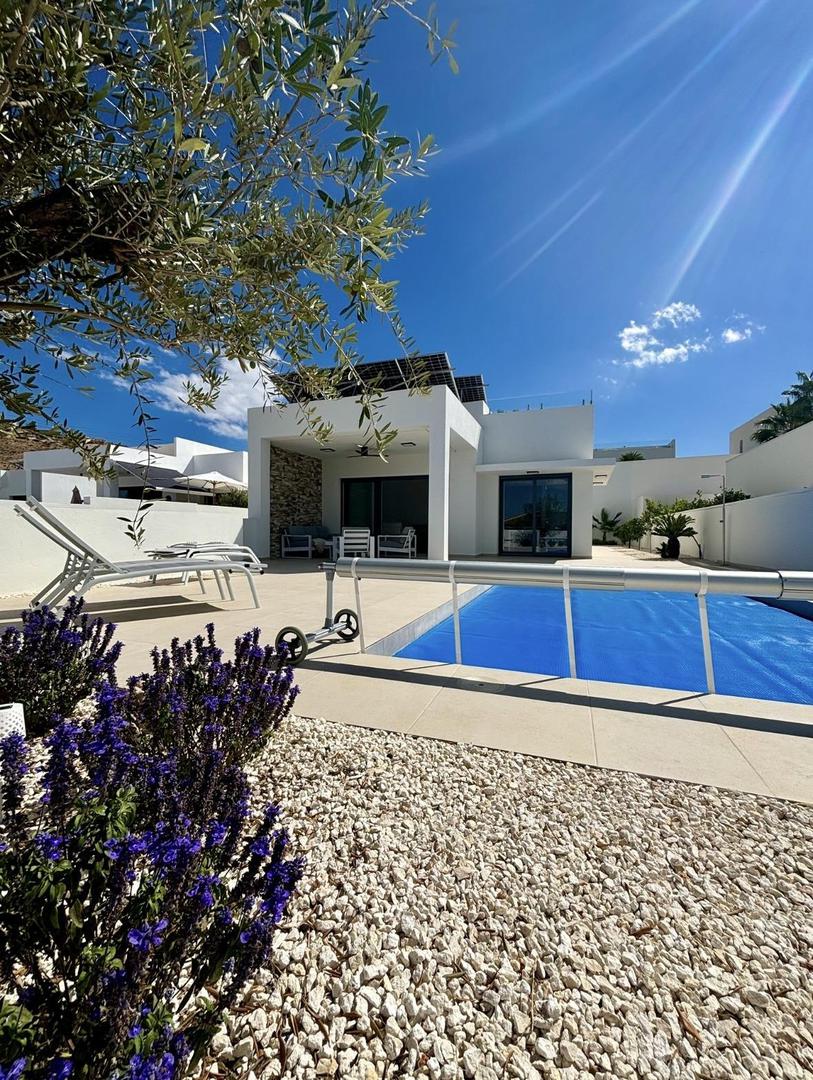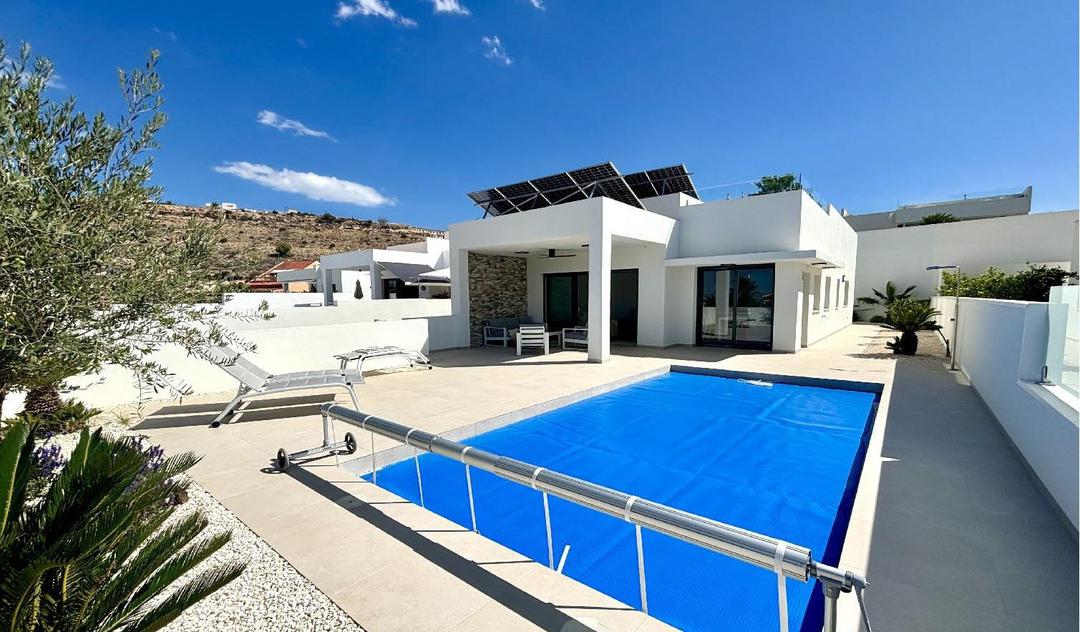
Costa Blanca
PM8420

Spain continues to be one of the most sought-after destinations for international property buyers. With its warm climate, rich culture, and relatively accessible property prices compared to northern Europe, the Spanish real estate market remains resilient and dynamic. Here's what you need to know if you're considering a purchase in 2026.
The Spanish property market has maintained steady growth over the past few years, driven by strong foreign demand, a robust tourism sector, and limited housing supply in key coastal and urban areas. Prices have risen in popular regions, yet Spain still offers remarkable value compared to equivalent properties in the UK, France, or Germany.
According to recent data from Spain's National Statistics Institute (INE), foreign buyers continue to account for a significant share of all transactions — particularly in Andalusia, the Balearic Islands, and the Valencian Community. Whether you're planning a holiday retreat or a permanent move, understanding current market conditions is essential before committing to a purchase.
The Costa del Sol remains the undisputed favourite for British, German, and Scandinavian buyers. Marbella, Estepona, and Nerja consistently top the most-searched lists. New luxury developments are still being built, while resale properties in established urbanisations offer excellent value. For a deeper dive into this region, our complete Costa del Sol buying guide covers everything from neighbourhood selection to legal requirements.
Barcelona's property market is one of the most competitive in Europe. Demand continues to outstrip supply in the city centre, though surrounding towns like Sitges and Castelldefels offer a more relaxed coastal lifestyle at lower price points.
Spain's capital is attracting increasing interest from investment buyers. Madrid's economy is strong, rental yields are solid, and the city's infrastructure and quality of life make it a popular choice for those relocating for work or retirement.
Valencia has emerged as a particularly exciting market. The city offers a fantastic lifestyle — beaches, culture, a world-class food scene — at prices significantly lower than Barcelona. The Costa Blanca towns of Alicante, Denia, and Jávea are equally popular with retirees and remote workers. Our guide to buying property on the Costa Blanca provides area-by-area insights to help you choose the right location.
The islands remain a premium market. Mallorca in particular has seen sustained price growth, especially in the southwest. Ibiza is still attracting high-net-worth buyers, while Menorca is increasingly seen as an unspoilt alternative. If island living appeals to you, explore our detailed guides to buying property in Mallorca and living in Menorca.
Several key factors are shaping the market this year:
Limited supply in coastal areas: Planning restrictions and limited buildable land mean new stock is scarce, supporting prices in desirable regions.
Short-term rental demand: Spain's booming tourism sector makes rental income an attractive proposition, particularly in coastal hotspots.
Remote work trends: The post-pandemic shift to flexible working has extended the buyer pool significantly, with younger professionals now entering markets previously dominated by retirees.
Golden Visa changes: Spain ended its Golden Visa programme for real estate investors in 2024, which has reshaped some of the investment buyer landscape — but organic demand from lifestyle buyers remains strong.
Currency considerations: For UK and European buyers, exchange rate movements can impact purchasing power, making ongoing monitoring important.
Beyond the purchase price, international buyers should factor in the following costs:
Transfer Tax (ITP): Varies by region, typically between 6–10% for resale properties
VAT (IVA): 10% on new-build properties
Notary and Land Registry fees: Approximately 1–2%
Legal fees: Budget around 1% for a reputable independent lawyer
Mortgage arrangement costs: If financing, factor in bank fees and a property valuation
In total, buyers typically budget an additional 10–13% on top of the purchase price to cover all transaction costs. This comprehensive cost breakdown helps you avoid surprises during the purchasing process.
1. Appoint an independent lawyer (abogado). Never rely solely on the developer's or agent's recommended solicitor. Your lawyer should represent your interests exclusively and have experience with international property transactions.
2. Get your NIE number early. A Número de Identificación de Extranjero (NIE) is required for any property transaction in Spain. Apply through the Spanish consulate in your home country or in person at a Spanish police station before you begin property searches in earnest.
3. Open a Spanish bank account. Most transactions and ongoing costs (utility bills, community fees, taxes) are handled via a Spanish account. This also simplifies your financial life once you own property.
4. Understand the community fees. If buying in a urbanisation or apartment complex, ask for a full breakdown of community (HOA) fees and any upcoming maintenance works. These can vary significantly by location and property type.
5. Check the property's legal status. Ensure the property has a valid cédula de habitabilidad (habitation licence) and that any extensions or modifications have been properly registered. This protects your investment.
For lifestyle buyers, the answer is almost always: when the property is right for you and the finances stack up, it is a good time to buy. Attempting to time the market is notoriously difficult, and properties in Spain's most popular regions have historically held their value well.
For investment buyers, rental yields in coastal areas and major cities remain attractive, especially given sustained tourism growth. However, some municipalities are introducing stricter regulations on short-term rentals, so always verify the local rules before banking on rental income. What works in one area may not work in another.
Spain's real estate market in 2026 is vibrant, diverse, and full of opportunity — but it rewards buyers who do their homework. Whether you're looking for a comprehensive guide to expat property buying, an investment apartment in Valencia, or a permanent base in Barcelona, the key to a successful purchase is thorough due diligence and the right professional support.
Ready to explore properties in your target region? Browse current listings in Spain's most popular areas, and get in touch with our team to discuss your property goals.